Please find additional information on here:]]>
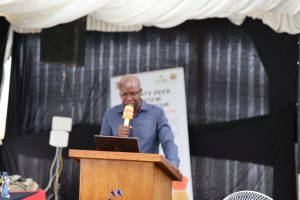
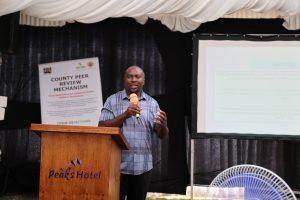
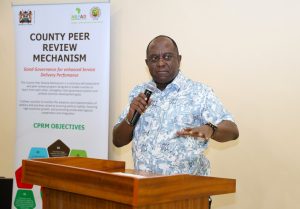
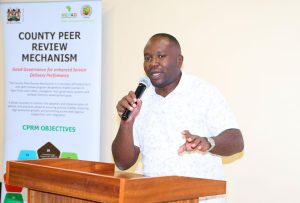
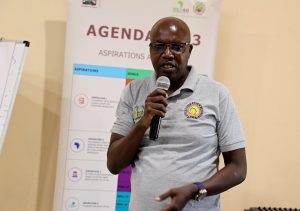
Mr. Peter Kimemia, the Director of APRM & Governance, giving a presentation on National Values during the sensitization workshop
CPRM is a voluntary, sub-national assessment framework inspired by the continental African Peer Review Mechanism (APRM). Its primary goal is to improve governance by fostering a culture of transparency, accountability, and participation at the local level. CPRM further encourages both State and non-state actors to engage in a bottom-up self-assessment process that foster peer learning, enabling counties to identify strengths and address governance challenges effectively.
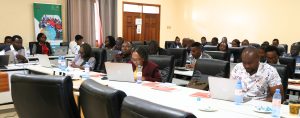
During today’s sensitization session, county officials were briefed on the importance of the CPRM in promoting good governance and upholding national values. They were introduced to the tools and questionnaires used in the CPRM process, which are designed to assess key governance areas such as transparency, accountability, and citizen participation in public service delivery. The initiative underscores the importance of these principles in fostering effective governance and public trust, urging county officials to apply these insights to strengthen governance practices within their counties.
Mr. Peter Kimemia, the Director of APRM & Governance, emphasized that the CPRM is a tool for counties to assess their own performance, identify their areas of strength, and point out areas of improvement. He noted that beyond improving local governance, the CPRM fosters a culture of collaboration and shared learning, allowing counties to learn from one another’s experiences and build a stronger foundation for democratic practices across Kenya.
CPRM presents an opportunity for counties to demonstrate their achievements and exchange knowledge on effective governance strategies. By encouraging active participation from government officials, civil society organizations, and citizens, the mechanism seeks to establish a framework for delivering quality public services. As the sensitization workshops continue across counties, it is anticipated that counties will acceede to CPRM as a vital tool for improving governance practices, thereby contributing to the overall democratic and development goals of Kenya. Through this process, counties will play a critical role in shaping a governance landscape that is both transparent and accountable to the citizens it serves.

The virtual session brought together Heads of State and Goovernment, including H.E Dr. William Ruto the President, Republic of Kenya, H.E Dr Lazarus M.Chakwera-Republic of Malawi, H.E Evasriste Ndayishiye, Republic of Burundi, H.E Mr. Abdel Fattah Elsisi-Republic of Egypt, H.E. Evariste Ndayishimiye-Republic of Burundi, H.E Ismail Omar Guelleh-Republic of Djibuoti, H.E Obiang Maigue – Republic of Equitorial Guinea, H.E Bassirou Diomaye Faye-Republic of Senegal, H.E Mahmat Idriss Debey-Republic of Chad, H.E Hakainde Hichelema-Republic of Zambia, H.E Dr Mohammed Al Menfi-Republic of Libya, H.E Paul Biya -Republic of Cameroon, H.E Mohamed Ould Cheikh El Ghazouani, President of the Islamic Republic of Mauritania and Chairperson of the African Union, H.E. Abdel Fattah Al-Sisi, President of the Arab Republic of Egypt and Chairperson of AUDA-NEPAD Heads of State and Government Orientation Committee, H.E Moussa Faki MAHAMAT, Chairperson of the African Union Commission,H.E Nardos Bekelle, CEO of AUDA-NEPAD; and Amb. Dr. Samori Okwiya, CEO of NEPAD/APRM Kenya Secretariat.
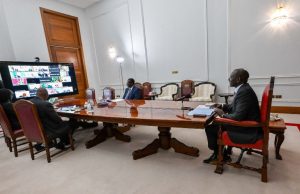
In his address, President William Ruto emphasized the need for collective action to drive Africa’s sustainable development, focusing on innovative financing, addressing infrastructure deficits, boosting agricultural productivity, and combating climate change. He called for immediate efforts to tackle infrastructure, agricultural, and climate challenges, highlighting the Energize Africa initiative as a key growth strategy. The President advocated for financing solutions, such as pension funds, private sector investments, and blended models, to bridge funding gaps for large-scale projects like the LAPSSET Corridor. He pointed to the critical infrastructure financing gap and announced that the first three berths at Lamu Port are operational, urging member states to leverage this trade hub.
Additionally, President Ruto emphasized the centrality of agriculture to Africa’s economic growth. He called for continued investment in agricultural development and the implementation of the Comprehensive Africa Agriculture Development Programme (CAADP) to turn policies into actionable results.
As Africa enters the second decade of implementing Agenda 2063, President Ruto urged leaders to focus on action, execution, and tangible outcomes. He also called for improved governance and oversight of the African Union Development Fund to ensure that it remains a central driver of the continent’s long-term development.
In conclusion, President Ruto’s address reinforced the need for decisive leadership, cooperation, and resource mobilization to accelerate Africa’s transformation. His call for a shift from planning to execution emphasizes the urgency of turning Africa’s ambitious development plans into reality.
]]>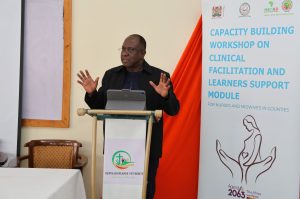
Amb. Dr. Samori Okwiya, the CEO, NEPAD/APRM Kenya Secretariat, giving his opening remarks at the Kenya Highlands University
In attendance were: Amb. Dr. Samori Okwiya, the CEO, NEPAD/APRM Kenya Secretariat, Dr. Rose Kitur, Director NEPAD Programmes, Prof. Joseph Kiplangat the VC Kenya Highlands University, Dr. Richard Sang, Dean, FHS, Kenya Highlands University, Prof. Dinah Chelagat, Dean SONM, Moi University, Prof. Tenge Kuremu, Principal-CHS, Moi University among others.
The midwifery training program, started in 2006 in partnership with the Moi University’s School of Nursing and Midwifery and is part of a broader effort to address maternal health challenges in Kenya. As one of the pilot countries an initiative by AUDA-NEPAD, Kenya’s program began with a cohort of six nursing students at Moi University. These students received training on safe delivery practices and later trained their peers, thereby multiplying the impact of the program across the nation.
In his address the Chief Executive Officer, NEPAD/APRM Kenya Secretariat, Amb. Dr. Samori Okwiya, emphasized the critical importance of maternal healthcare in Kenya’s health policy. He underscored the role of training midwives in ensuring safe delivery practices, describing it as a fundamental human right that must be safeguarded. Aditionally, Amb. Samori noted that the training is part of the Secretariat’s thematic area on human capital development which focuses on promoting skills in people to enhance their knowledge, capabilities, and competencies for personal and professional growth. Moreover, the training is designed to foster innovation, social inclusion, and lifelong learning, ensuring that individuals are empowered to contribute meaningfully to their communities and economies.
“Maternal care is central to the well-being of our nation. The ability to provide safe, quality care during childbirth is not just a health issue; it is a human rights issue. By equipping our midwives with the knowledge and skills they need, we are ensuring that more women and children survive and thrive.”
He also highlighted the alignment of the training with Kenya’s broader national objectives for improving maternal health, noting that the program’s emphasis on sharing best practices and continuous learning fits into the country’s commitments under the Continental Policy on Maternal Health.
The Vice Chancellor of Kenya Highlands University, Prof. Joseph Kiplangat reiterated the importance of well-trained nurses and midwives for both home and clinic-based healthcare delivery. He emphasized that students who undergo this training will be able to provide the quality care necessary for improving maternal health outcomes.
“This workshop is an investment in the next generation of nurses and midwives who will go on to serve communities across the country, when nurses are properly trained, they can offer the critical thinking and clinical expertise required to handle maternal care challenges effectively. By equipping them with both theoretical knowledge and practical skills, we ensure that they are prepared to meet the demands of the field.”
In his address Prof. Tenge Kuremu, Principal at the Moi University, stated the pivotal role of midwifery training in improving maternal health outcomes across Kenya. He applauded the efforts of the NEPAD/APRM Kenya Secretariat for spearheading initiatives that train and equip midwives and nurses, highlighting that well-trained midwives and nurses are essential in ensuring safe and effective deliveries, particularly in rural areas.
The participants were asked to take the knowledge and skills gained from the workshop and use them to improve maternal healthcare in their respective communities.
More photos below:
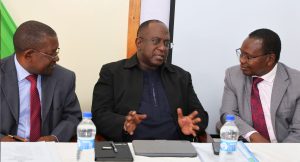
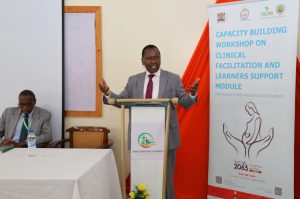
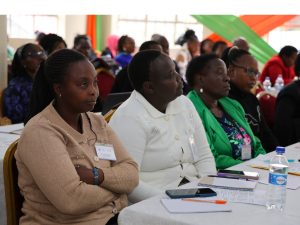
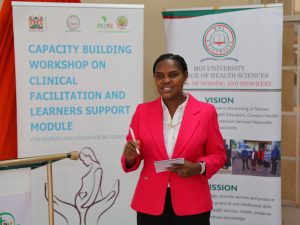

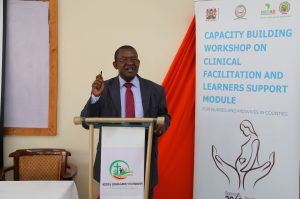
The workshop, which started on 28th January, 2025 is aimed at ensuring that the County leaders are equipped with information on Agenda 2063 – the African Union long-term strategic framework, which envisions a prosperous, integrated, and sustainable Africa by the year 2063.
In his opening remarks, H.E. Dr. Mutai underscored the importance of local leadership in shaping the continent’s future. He highlighted that the successful realization of Agenda 2063 has yielded tangible benefits, particularly in the provision of innovative, home-grown solutions to address the continent’s challenges. Dr. Mutai further pointed out that Kericho County has actively integrated the principles of Agenda 2063 into its development plans, with a focus on key sectors such as infrastructure, gender equality, trade, and healthcare. He underscored that the county’s commitment to these goals has been evident in the strategic prioritization of these areas for sustainable growth. In particular, Dr. Mutai noted the county has embraced technology, citing the use of drones to transport blood for transfusions as an example of how innovation is improving healthcare delivery. This initiative, he stated, marks a significant milestone in the County’s efforts to leverage technology for better health outcomes and improved service delivery.
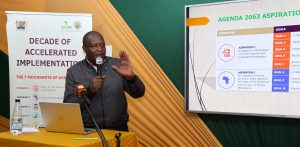
The Governor of Kericho County H.E Dr. Eric Kipkoech Mutai opening the session on the dissemination of AU Agenda 2063, in Kericho County
“County governments, provide safe spaces for business growth, local development, and empowerment, especially in rural and marginalized areas. This decentralized approach allows for tailored solutions that resonate with local communities while contributing to national and continental objectives.”
Subsequently, the Chief Executive Officer of NEPAD/APRM Kenya Secretariat, Amb. Dr. Samori Okwiya reiterated H.E President William Ruto remarks during the devolution conference that; counties are the last mile implementers of Agenda 2063. Additionally, he emphasized that the successful implementation of Agenda 2063 will require collaboration at every level of government, with counties playing a pivotal role in integrating the Agenda into their county plans. He further highlighted the significance of fostering transparency, accountability, and strong institutional frameworks to overcome the challenges that may arise in the execution of the Agenda.
“Agenda 2063 is not merely a vision but a call to action, to turn the vision into reality we must strengthen our institutions to lead and own Agenda 2063. This requires continuous dissemination of its core principles and leveraging partnerships with both local and international stakeholders.”
The workshop also delved into practical strategies for embedding the principles of Agenda 2063 into the daily operations of county governments. Participants were equipped with ideas on how to best tailor the agenda’s vision to their county plans, thereby promoting sustainable growth and development within their Counties. Local leaders were urged to collaborate more effectively and take action toward realizing the ambitious objectives of Agenda 2063, showing a new era in Africa’s pursuit of a more prosperous and unified future.
The workshop served as a call to action for county governments to recognize and embrace their role in advancing the African Union vision. County leaders expressed enthusiasm and commitment to forging stronger partnerships with national and regional bodies, to build a cohesive and prosperous Africa.
More photos below:
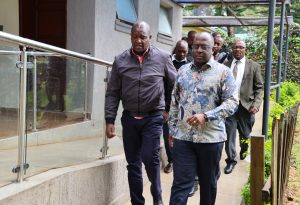
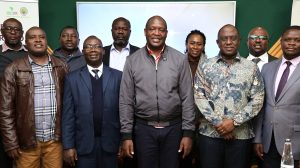
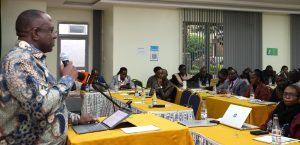


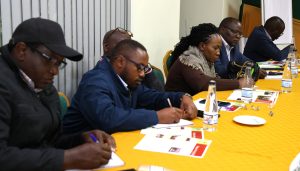
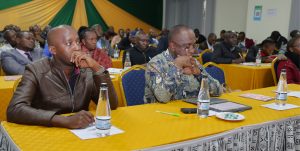
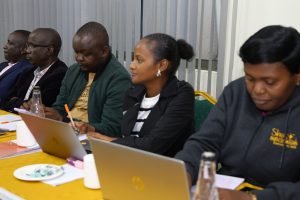
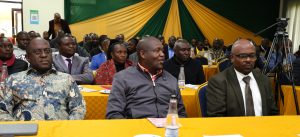
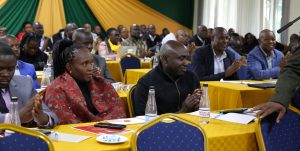
Chief Executive Officer, NEPAD/APRM Kenya Secretariat, Amb. Dr. Samori Okwiya giving his opening remarks during the workshop
The National Programme of Action (NPoA) is a tool for tracking the findings and recommendations from the Second Country Review Report (CRR), an independent assessment conducted by the Secretariat which provides an objective view of the country’s progress on critical issues and assesses the nation’s progress in various governance, economic, socio-economic, and political dimensions marking a significant step in the country’s governance and development agenda.
Kenya’s National Programme of Action (NPoA) is designed to foster and deepen democratic governance by identifying areas for improvement within the country. This involves a comprehensive review of political and economic policies, social structures, and institutional practices, with a particular focus on enhancing transparency, accountability, and inclusivity. As a result, the NPoA is linked to broader efforts in governance and national development agenda.
The Second Country Review Report offers a detailed evaluation of how well these objectives have been met, employing both qualitative and quantitative indicators to assess progress. It also examines the extent to which the NPoA has been effectively implemented, highlighting advancements in addressing the issues identified in the initial report. Given that the African Peer Review Mechanism (APRM) operates on a cyclical basis, the second report serves not only to track achievements but also to pinpoint challenges and gaps in the NPoA’s execution. This process ensures that Kenya remains on course to realize its long-term development and governance goals.
In his opening remarks, the Chief Executive Officer, NEPAD/APRM Kenya Secretariat, Amb. Dr. Samori Okwiya, emphasized on the critical need to address Kenya’s internal challenges through fostering deeper collaboration with various Ministries, Departments, and Agencies (MDAs).
“The National Programme of Action (NPoA) is not just about addressing Kenya’s internal challenges; it is also about reinforcing our commitment to the broader goals of the African Union and enhancing our standing within the international community. This collaboration ensures that we develop a plan that is both ambitious in its goals and realistic in its implementation. It’s about setting clear, actionable priorities that will drive tangible outcomes for the people of Kenya and contribute to the broader African development agenda.”
The development of the National Programme of Action is aligned with the African Union’s goal of enhancing governance across the continent. By participating in the APRM, Kenya is demonstrating its commitment to African self-regulation and ensuring that it meets the continent’s shared goals of promoting democracy, peace, and prosperity.
More pictures below:
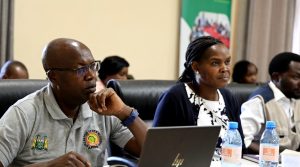
]]>
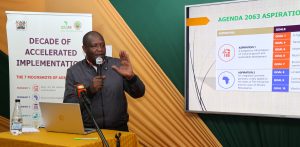
African Union Agenda 2063, is framed around 7 aspirations, 20 goals, and 38 targets, which seek to advance the aspirations of an integrated, peaceful, and prosperous Africa. These goals cover sectors such as education, infrastructure, health, trade, and technology, and emphasize the importance of intra-Africa cooperation.
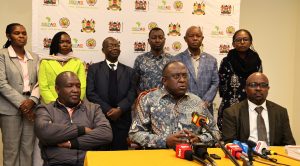
Amb. Dr. Samori Okwiya, Chief Executive Officer, NEPAD/APRM Kenya Secretariat giving his opening remarks during the workshop on sensitization of MDAs on African Union Agenda 2063
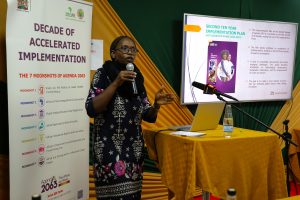
The session kicked off with Dr. Rose Kitur, the Director of NEPAD Programmes giving an in-depth presentation of the Agenda, its aspirations, goals, enablers, and the potential contributions of each ministry and department to realising these targets. Consequently, Dr. Kitur emphasized the pivotal role that MDAs play in translating the aspirations of Agenda 2063 into concrete actions at the national level.
“The National Government is the first mile implementors of the Agenda and each MDA, has its unique mandate that aligns with various components of the Agenda.” She stated
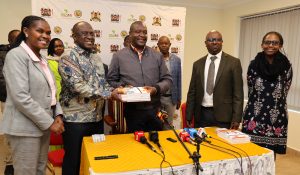
Subsequently, the Chief Executive Officer, NEPAD/APRM Kenya Secretariat, Amb. Dr. Samori Okwiya issued the participants with copies of AU Agenda 2063 framework documents which will serve as critical resource for MDAs in understanding the strategic framework and how it intersects with national development goals.
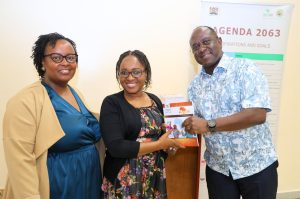
Issuance of AU Agenda 2063
In conclusion, the workshop equipped MDAs with the knowledge and tools necessary to implement the Agenda. By fostering active participation and collaboration across the public sector, Kenya is positioning itself to make significant contributions towards accelerating the implementation of the Agenda 2063.
More photos below:

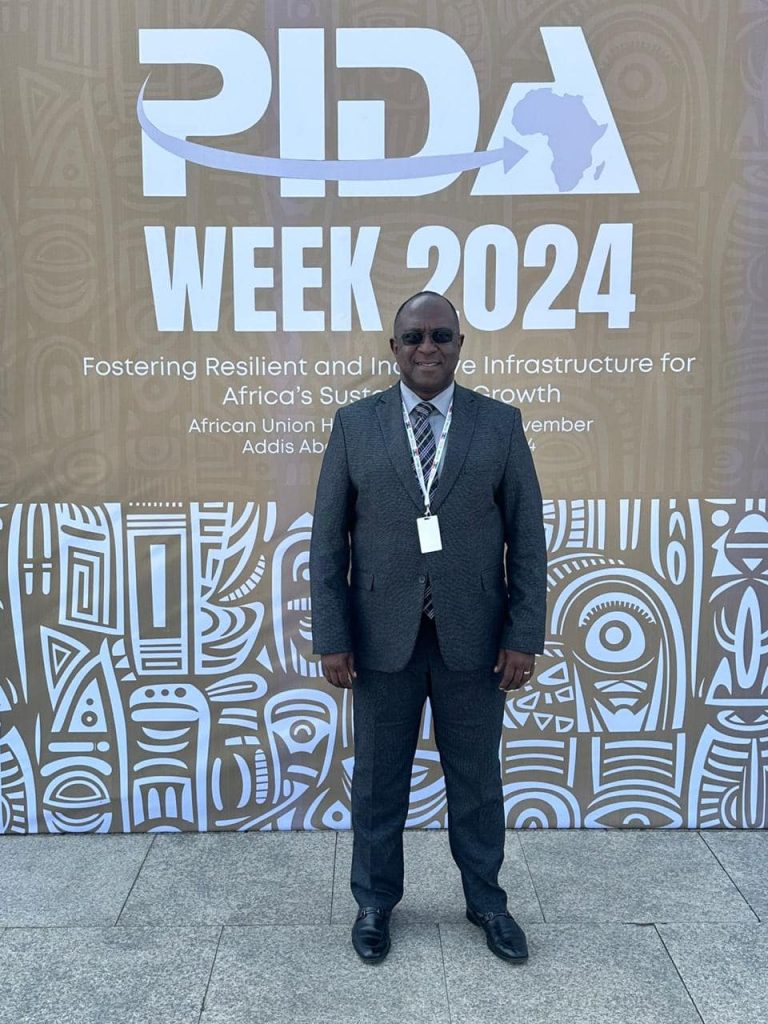
PIDA Week, initiated in 2015, is Africa’s platform for discussing infrastructure development. It provides a space for celebrating successes, identifying challenges, and fostering partnerships to accelerate the implementation of key infrastructure projects. This year, the event is centered around five key sub-themes, addressing critical areas such as energy, transport, water, and ICT. These themes reflect the vital sectors of PIDA’s Priority Action Plans (PAPs), which focus on projects that align with the African Union’s long-term vision.
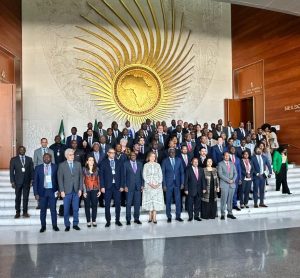
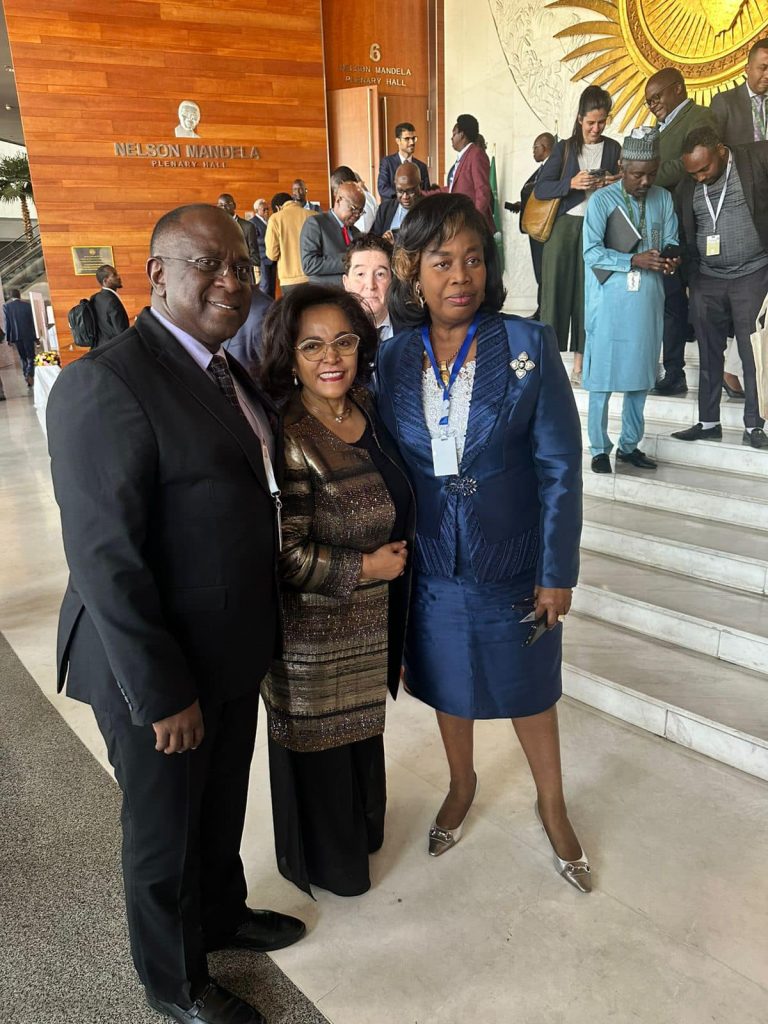
Participants of the 8th PIDA week in Addis Ababa, Ethiopia
One of the major highlights of PIDA Week is its ability to foster partnerships between governments, private sector players, and civil society organizations. This collaborative approach ensures that infrastructure projects are not only financially viable but also aligned with the continent’s development goals.
The event is expected to catalyze new investments in critical infrastructure projects, including cross-border transportation networks, energy grids, and digital connectivity systems. By accelerating the implementation of the Priority Action Plans, PIDA Week plays a crucial role in the African Union’s broader vision of achieving regional integration and economic prosperity through infrastructure.
As PIDA Week continues throughout the week, discussions are expected to delve deeper into strategies for financing infrastructure, the role of digital technologies in development, and the growing importance of sustainable and green infrastructure solutions. The insights shared at the event are set to shape Africa’s infrastructure agenda for years to come, ensuring that the continent is well-positioned to meet its ambitious goals under Agenda 2063 and the AfCFTA.
The 2024 PIDA Week also includes the Ethio-Green Mobility 2024 Symposium and Exhibition, which will run alongside the main events, showcasing cutting-edge technologies and solutions for green and sustainable infrastructure. The symposium aims to highlight innovations in the mobility sector, especially in relation to Africa’s growing need for clean and resilient transport systems.

The CEO, NEPAD/APRM Kenya Secretariat, led by the CEO Amb. Dr. Samori Okwiya following discussions during the 8th PIDA week
In conclusion, the NEPAD/APRM Kenya Secretariat, led by the CEO Amb. Dr. Samori Okwiya participated in the 8th PIDA Week, contributing to the ongoing discussions and strategies for infrastructure development across Africa. The Secretariat’s participation underscores its commitment to advancing transformative infrastructure projects in the region, particularly in the context of the LAPSSET Corridor Program. Moving forward, the Secretariat aims to leverage the insights and partnerships formed during the PIDA Week to accelerate the implementation of LAPSSET, focusing on enhancing regional integration, sustainable economic growth, and fostering resilient infrastructure across East Africa.
more photos below

Dr. Rose Kitur, Director of NEPAD Programmes giving her remarks during the half-yearly performance and progress meeting for the Skills Initiative for Africa (SIFA)
SIFA is an initiative of the African Union Commission, supported by the German government. This initiative aims at enhancing the occupational prospects of young Africans and is currently in its pilot phase across eight participating countries (Cameroon, Ethiopia, Ghana, Kenya, Nigeria, South Africa, Togo, and Tunisia.) The success of the initiative centers on five pillars: Access – ensuring youth have opportunities; Quality – delivering skills that are directly applicable to the job market; Equity – promoting inclusivity, particularly for marginalized groups; Relevance – aligning education and training with employment opportunities; and Governance – innovating skill delivery and assessment to adapt to dynamic economic needs.
A major highlight of the meeting was the presentations by the grantees funded by AUDA-NEPAD. In Kenya, SIFA has 10 grantees that offer training in critical sectors, including information technology, construction, blue economy, agriculture, and hospitality.
In her speech, delivered by Mr. John Tuwei, Director of Technical Education the Principal Secretary for TVET, Dr. Esther Thaara emphasized Kenya’s unwavering commitment to the objectives of SIFA. She highlighted that, through this initiative, the youth are provided with access to high-quality, inclusive, and relevant training, equipping them for success in both local and global economies.
Dr. Rose Kitur, Director of NEPAD Programmes, emphasized the alignment of SIFA goals with the African Union Agenda 2063. Dr. Kitur underscored the importance of equipping the continent youth with relevant skills to foster Africa economic transformation and development.

Dr. Rose Kitur, Director of NEPAD Programmes
In his remarks, Mr. Gemechu Berhanu, AUDA-NEPAD Principal Program Officer for SIFA noted that SIFA remains a cornerstone in addressing the youth unemployment and mismatch of skills challenge in Kenya and across Africa. The ongoing program underscores the crucial role in equipping young people with the skills needed to thrive in an increasingly competitive global economy, while contributing to the broader economic growth of the continent.
Mr. Gemechu Berhanu, AUDA-NEPAD Principal Program Officer for SIFA
The meeting also highlighted the significant role of partnerships between the Kenyan government, international organizations, and private sector stakeholders in promoting vocational education and training (TVET) across the region.
SIFA targets four core areas of intervention: Equipping institutions with the necessary tools and technology, updating and revising curricula to meet contemporary demands, encouraging skilled youth to pursue self-employment and entrepreneurship, and creating scholarship opportunities to support further education and training. Additionally, SIFA aligns with the Bottom-Up Economic Transformation Agenda, which prioritizes empowering local communities and individuals, especially the youth, by enhancing their skills and creating opportunities for economic participation at the grassroots level. This approach is consistent with Kenya’s vision of fostering inclusive growth by providing training that opens doors to entrepreneurship and self-employment.
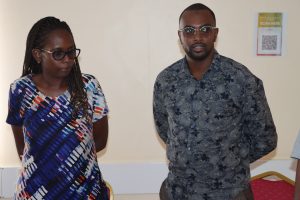
Deputy Director, NEPAD Programmes, Ms. Rebecca Arunga, and Programme Officer, Mr. Ali Galgallo
]]>The summit, held for the 12 pilot counties, brought together 13 Governors from across the country and fostered an environment of reviewing CPRM reports, sharing best practices, and identifying areas where service delivery could be enhanced.
As the second phase progresses, the NEPAD/APRM Kenya Secretariat has shifted focus to scaling up training and capacity-building exercises for county government officials. Today: November 12, 2024, the Secretariat held a training session for County Directors from Laikipia, Murang’a, Nyandarua, Kirinyaga, Embu, Kericho, Kiambu, Tharaka Nithi, and Baringo counties.
In his opening remarks the Chief Executive Officer, NEPAD/APRM Kenya Secretariat, Amb. Dr. Samori Okwiya noted the importance of involving local communities in the governance process.

Chief Executive Officer, NEPAD/APRM Kenya Secretariat, Amb. Dr. Samori Okwiya giving his opening remarks during the training
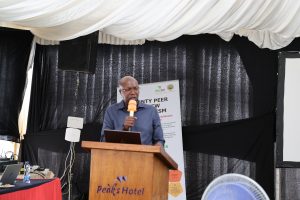
Subsequently, Mr. Peter Kimemia, the Director APRM & Governance covered the core principles and values of good governance, with a particular focus on upholding Article 10 of the Kenyan Constitution. This article outlines fundamental values such as inclusivity, equity, transparency, and accountability, all of which are essential for effective governance and public service delivery.
Mr. Kimemia provided a comprehensive overview of the African Peer Review Mechanism (APRM), which serves as the inspiration for the CPRM. He outlined how the county-level peer review process is designed to foster greater accountability by allowing counties to learn from one another’s experiences, strengths, and challenges. The focus on peer learning creates an environment where counties are not only accountable to their own citizens but also to each other, enhancing the collective capacity for governance across Kenya’s 47 counties. Additionally, the training provided an opportunity to introduce the specific tools and methodologies necessary for the effective implementation of the CPRM.

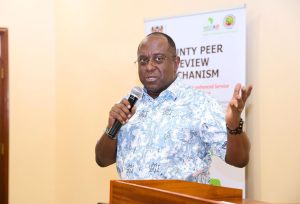
Director APRM & Governance Mr. Peter Kimemia giving a presentation on principles and values of good governance
The participants expressed confidence that CPRM will improve governance in their counties. Consequently, the engagement of county officials in the process was seen as critical in ensuring that CPRM aligns with local priorities and challenges, ultimately leading to enhanced service delivery for citizens.
In conclusion, CPRM represents a vital step forward in Kenya’s journey towards more effective, inclusive, and accountable governance.

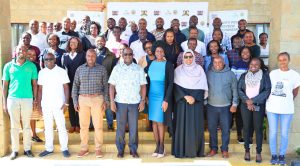
Family photo of participants from Laikipia, Murang’a, Nyandarua, Kirinyaga, Embu, Kericho, Kiambu, Tharaka Nithi, and Baringo counties.
]]>